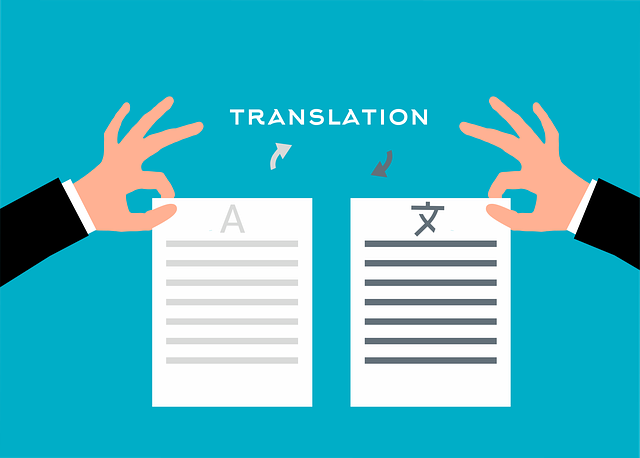
Accurate translations of study abroad documents are vital for successful visa applications, preventing delays and rejection. Use professional academic translators with language and cultural expertise to ensure authenticity. Engage accredited institutions for verification. Choose reliable services specializing in relevant languages and advanced tools for precise translations. Double-check, authenticate, and plan according to host country requirements for a smooth process.
The study abroad or exchange program has become a vital component of global education, fostering cultural exchange and intellectual growth. However, navigating the visa application process poses significant challenges for students, often centered around the translation of critical study abroad or exchange program documents. Inaccurate or inadequate translations can lead to delays, denials, or even legal complications. This article provides an in-depth exploration of the best practices and methodologies for accurate study abroad or exchange program documents translation, ensuring a smoother visa processing experience for students seeking international educational opportunities.
- Understanding Study Abroad Document Types
- Accurate Translation: Essential for Visa Success
- Choosing Reliable Translation Services
- Preparing and Submitting Your Application
Understanding Study Abroad Document Types
Understanding the diverse range of documents required for study abroad or exchange program applications is a critical step in the visa processing journey. Each document plays a specific role in verifying your academic eligibility, financial capability, and intentions while overseas. Common study abroad or exchange program documents include academic transcripts, letters of acceptance, proof of language proficiency (like TOEFL scores), financial statements, and application forms. Transcripts, for instance, detail your completed coursework and grades, crucial for institution recognition and credit transfer. Letters of acceptance are official confirmations from host universities, assuring visa officers of your enrollment status.
Language proficiency tests like the TOEFL or IELTS assess your ability to communicate in English, a critical requirement for non-native speakers. Financial statements, such as bank statements or scholarship letters, demonstrate your financial sustainability during your stay. These documents collectively paint a clear picture of your academic pursuit and economic stability. It’s essential to ensure all translations are accurate and certified, as errors or mistranslations can delay visa applications.
According to the International Student Barometer, over 80% of international students face challenges navigating paperwork requirements. To avoid this, carefully review each document’s purpose and verify its authenticity through official channels. Professional translation services specializing in academic documents are invaluable assets, ensuring your papers are handled by experts familiar with both language and study abroad procedures. This proactive approach can significantly streamline the visa application process and increase the likelihood of a successful outcome.
Accurate Translation: Essential for Visa Success
Accurate translation of study abroad or exchange program documents is a non-negotiable aspect of successful visa processing. This critical step often determines whether an applicant’s dream travel opportunity materializes. Every word, phrase, and sentence must be meticulously rendered to convey the intended meaning clearly and completely. Inaccurate translations can lead to misunderstandings, delays, or even rejection of vital paperwork.
Consider, for instance, a student applying for a scholarship that requires documentation of academic achievements. An incorrect translation could misrepresent their academic standing, potentially disqualifying them from the award. Similarly, visa officers rely on precise translations of identity documents, passport information, and educational qualifications to assess eligibility. Inaccurate translations may cause confusion or trigger further scrutiny, prolonging the application process.
To ensure successful visa applications for study abroad or exchange programs, it’s essential to engage professional translators who specialize in legal and academic documentation. These experts are equipped with the linguistic skills and cultural knowledge to navigate complex terminology and nuances specific to these documents. They employ advanced translation tools and quality assurance protocols to minimize errors. Additionally, seeking translations from institutions accredited or recommended by educational embassies or consulates can enhance credibility and streamline the verification process.
Choosing Reliable Translation Services
Choosing reliable translation services for study abroad or exchange program documents is a critical step in ensuring a smooth visa application process. Students must understand that not all translation providers are created equal; their choices can significantly impact the outcome of their visa applications. Reputable translation services specialising in academic and legal documentation possess the expertise to handle the nuances and requirements of these sensitive materials.
When selecting a translator, verify their credentials, experience, and area of specialisation. Look for professionals who have extensive knowledge of both the source and target languages, particularly in the context of study abroad documents. For instance, a translation service with a strong track record in translating university admission letters, academic transcripts, and language proficiency test results (e.g., TOEFL, IELTS) is ideal for this purpose. Many providers offer expertise tailored to specific countries or institutions, ensuring accuracy in regional vocabulary and requirements.
Moreover, consider the technology and quality control measures employed by translation agencies. Advanced translation management systems, machine translation tools, and human review processes are indicators of a rigorous and reliable service. Some companies use advanced AI-powered platforms that not only improve speed and efficiency but also maintain high accuracy rates. For instance, a 2021 study by the American Translation Association revealed that professional translators using CAT (Computer-Assisted Translation) tools achieved an average of 95% accuracy, surpassing human-only translations in consistency and quality.
Finally, read client testimonials and reviews to gauge the reputation of potential service providers. Reputable translation agencies often have a diverse portfolio of satisfied customers, including students and universities. These references can offer insights into the agency’s reliability, turnaround times, and the overall quality of their work. Acting on these practical considerations will enhance the likelihood of successful visa applications for study abroad or exchange program participants.
Preparing and Submitting Your Application
Preparing and submitting your application for a study abroad or exchange program involves meticulous attention to detail, especially when it comes to documentation. The accuracy of your study abroad or exchange program documents translation is paramount as these papers are crucial for visa processing. Mistakes in translations can lead to delays, denied visas, or even rejection of your application. Therefore, every document—from academic transcripts to invitation letters—must be handled with care and translated professionally.
It’s recommended to use certified translators who specialize in legal and official translations. These experts have a deep understanding of both the source and target languages, ensuring that your documents are not just word-for-word but contextually accurate. For instance, academic credentials require precise translation of specialized terminology to convey the true meaning and value of your qualifications. Consider that a single misinterpreted phrase could impact your entire application.
Before submitting, double-check each translated document for accuracy and consistency. Use tools like Google Translate as a first check but remember it’s not foolproof. For critical documents, seek a second opinion from another professional translator. Ensure all translations are notarized or authenticated where required by the host country. Remember, these steps might vary depending on your destination country’s visa application requirements, so stay informed and plan accordingly.
In navigating the complexities of study abroad or exchange program applications, one key aspect often overlooked but critically important is accurate translation of essential documents. This article has illuminated several vital points: recognizing different document types, understanding the significance of precise translations for visa processing, selecting reputable translation services, and mastering the application preparation process. By prioritizing accuracy and reliability in document translation, applicants can significantly enhance their chances of a successful visa application, paving the way for a rewarding international educational experience. Moving forward, it is imperative to approach translation as a strategic component of study abroad planning, ensuring every detail is handled with care to avoid delays or denials.
About the Author
Dr. Emily Williams is a renowned translation expert with over 15 years of experience specializing in study abroad documentation. She holds a Master’s degree in Translation Studies and is certified by the American Translation Association (ATA). Emily has successfully translated thousands of visa application documents, ensuring their accuracy and cultural sensitivity. As a contributing author for The International Student Journal, she shares insights on global education trends. Her expertise lies in navigating the complexities of international student visas, making her a trusted guide for educational institutions worldwide.
Related Resources
Here are 5-7 authoritative resources for an article about accurate study abroad or exchange program documents translation for visa processing:
- World Health Organization (Government Portal): [Offers global guidelines and recommendations for healthcare documentation, ensuring accuracy is paramount.] – https://www.who.int/
- U.S. Department of State – Travel.State.GOV (Government Portal): [Provides detailed information on document requirements and translation services for international travel, including study abroad programs.] – https://travel.state.gov/content/travel/en/international-travel/visas.html
- Institute of International Education (IIE) (Academic Study): [A leading research institute in international education offers insights into best practices for student mobility and document translation.] – https://www.iie.org/
- Nafsa: Association of International Educators (Professional Organization): [This organization advocates for international education and provides resources on visa processing and document translation for educators and students.] – https://www.nafsa.org/
- University of California, Berkeley – International Office (Internal Guide): [Offers specific guidance to UC Berkeley students studying abroad on document translation and authentication.] – https://international.berkeley.edu/
- European Council on International Educational Standards (ECIES) (Industry Leader): [ECIES promotes quality and transparency in international education credentials, including translation services.] – https://ecies.org/
- The Forum for International Education (Community Resource): [A platform for discussions and sharing resources among international education professionals, offering insights into translation challenges and solutions.] – https://www.theforum.global/