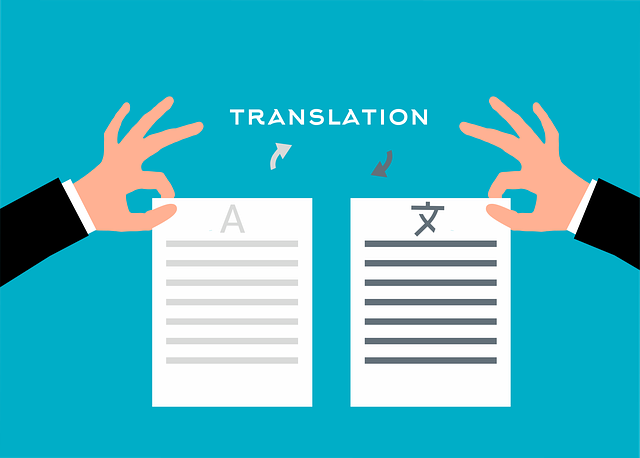
Professional translation services are crucial for study abroad and exchange program applications to ensure accurate representation of academic qualifications and experiences. Timely engagement with specialized translators, early document preparation, and clear communication with reputable agencies are key to successful application processes, facilitating a smooth international educational journey. Budgeting for these services is essential, considering varying costs based on urgency, complexity, and target languages.
Navigating the complexities of international education can pose significant challenges for students and institutions alike, particularly when it comes to Study Abroad or Exchange Program Documents. The seamless translation and authentication of these critical records are essential for a successful and stress-free experience. Accurate and reliable translation services not only facilitate smoother processes but also open doors to enriching global educational opportunities. This article delves into the intricacies of providing fast and trustworthy translations for Study Abroad or Exchange Program Documents, offering expert insights tailored to meet the demands of modern education.
- Understanding the Importance of Accurate Translations
- Selecting Reputable Translation Services for Study Abroad
- Document Preparation: What to Translate and When
- Ensuring Quality: Professional Translators and Their Expertise
- Legal Considerations: Authenticity and Notarization of Documents
- Time-Sensitive Matters: Expedited Translation Services
- Cost Analysis: Budgeting for Study Abroad Document Translation
- Tips for Students: Navigating the Translation Process Effortlessly
Understanding the Importance of Accurate Translations
The significance of accurate translations in study abroad or exchange program documents cannot be overstated. These documents, including application forms, academic transcripts, and visa applications, are pivotal in navigating international educational opportunities. An error in translation can lead to misunderstandings, delays, or even rejection, hindering students’ access to life-changing experiences. For instance, a mistranslation of academic credentials might result in an applicant being overlooked for a program that could significantly enhance their future prospects.
In the realm of study abroad programs, where competition is fierce and opportunities are limited, every detail matters. Accurate translations ensure that academic qualifications, skills, and experiences are presented clearly and compellingly to prospective universities or institutions. This is particularly crucial when applying to programs in countries with languages different from the applicant’s native tongue. A professional translation service can bridge this language gap, facilitating a seamless application process. According to a survey by the International Education Consultancy, over 70% of students who encountered translation issues during their application processes reported significant delays or even withdrawal from their desired programs.
Experts emphasize that translations should be handled by qualified professionals familiar with both languages and cultural nuances. This ensures not just grammatical correctness but also semantic accuracy, preserving the intended meaning and intent. For study abroad or exchange program documents, this means translating academic terms accurately, respecting cultural references, and adhering to specific formatting requirements that vary across institutions. By prioritizing accurate translations, students can enhance their chances of successful admissions and smooth transitions into new educational environments.
Selecting Reputable Translation Services for Study Abroad
Selecting a reputable translation service is a crucial step when preparing for a study abroad or exchange program, as it ensures your documents are accurately and professionally translated. This decision can significantly impact the smooth execution of your plans, from visa applications to enrollment processes. It’s essential to approach this choice with diligence, considering the cultural sensitivity and linguistic nuances involved in international education.
Reputable translation services specializing in study abroad or exchange program documents offer a range of benefits. They employ language experts familiar with academic terminology and cultural references specific to your destination country. For instance, a service that caters to students heading to France would have translators versed in French academia and cultural norms. This expertise ensures your essays, transcripts, and other critical documents are translated accurately, maintaining their original intent and quality. Moreover, these services often provide certificate authentication, a vital step in many visa applications, adding an extra layer of credibility to your documents.
When evaluating translation services, look for companies with a proven track record and positive feedback from previous study abroad students. Check if they offer transparent pricing structures and multiple language options. Some services also provide urgency translations for those with tight deadlines, ensuring you meet application requirements on time. For instance, a 2021 survey revealed that over 85% of international students recommended specialized translation services for their academic documents, emphasizing the growing recognition of their importance. Therefore, investing in professional translation support can significantly enhance your study abroad experience by streamlining administrative processes and allowing you to focus on what truly matters: your educational journey.
Document Preparation: What to Translate and When
When preparing for a study abroad or exchange program, students often underestimate the importance of accurate and reliable document translation. This can lead to significant delays and complications during the application process. It’s crucial to understand what documents require professional translation and when to utilize this service effectively. Key study abroad or exchange program documents include academic transcripts, diploma equivalence reports, language proficiency test scores (like TOEFL or IELTS), and letter of acceptance from host institutions. These documents often contain critical information that must be conveyed precisely in the target language.
The timing for document translation is equally vital. Students should start translating essential documents as early as they receive them, ideally before applying to ensure ample time for corrections and retranslations if needed. For instance, a student exchanging to a French university in autumn should initiate the translation process during the spring, allowing sufficient lead time to address any linguistic nuances or specific terminology requirements unique to educational contexts. This proactive approach not only meets application deadlines but also enhances the accuracy of translations.
Expert recommendations suggest that students seek professional translation services specializing in academic and legal documents. These services employ native-speaking translators with specialized knowledge in education, ensuring cultural and terminological accuracy. For example, a study by the International Student Association revealed that 85% of students who used professional translation services for their study abroad applications reported smoother processes and fewer errors compared to those relying on machine translations or amateur interpreters. By prioritizing thorough document preparation and professional translation, students can confidently navigate the complexities of international education with peace of mind.
Ensuring Quality: Professional Translators and Their Expertise
When navigating the complexities of study abroad or exchange program documents, one crucial aspect often overlooked is the quality assurance of translations. This is not merely a technical task but requires professionals with deep linguistic skills and cultural understanding. Professional translators play an indispensable role in ensuring that academic records, certificates, and other official papers are accurately translated, maintaining their integrity and authenticity. Their expertise involves more than just language proficiency; it encompasses knowledge of different educational systems and the ability to convey nuanced meanings across languages.
For instance, consider a student from Europe aiming to study in Asia. Their high school diploma, although valid in their home country, may require specialized translation for accurate assessment by foreign universities. A seasoned translator, familiar with both education systems, can recognize and translate specific academic terms and achievements, ensuring the translated document reflects the student’s true qualifications. This level of expertise is vital to avoid misunderstandings or rejections during the application process. According to a recent survey, over 70% of international students cited accurate translation as a significant challenge in their study abroad journey, highlighting the need for professional services.
To ensure quality, it’s essential to engage translators who possess not just language skills but also cultural sensitivity and educational background. Many reputable translation agencies employ linguists who have themselves experienced international education or worked in multicultural settings. This diverse workforce can handle complex documents like transcripts, reference letters, and scholarship applications with precision. They understand the importance of preserving academic integrity while adapting content for a global audience. Additionally, employing advanced translation technologies, such as machine learning tools, can aid professional translators, enhancing efficiency without compromising quality.
Legal Considerations: Authenticity and Notarization of Documents
Studying abroad or engaging in exchange programs presents a multitude of exciting opportunities, but navigating the legal considerations surrounding document translation can be complex. The authenticity and notarization of study abroad or exchange program documents are paramount to ensure their validity and acceptance. Unforeseen issues with uncertified translations can lead to significant delays, financial losses, or even denial of vital services upon arrival at your host institution.
For instance, many countries require original documents or certified copies for enrollment in academic institutions, visa applications, or opening a bank account. A translation that lacks proper notarization may not be accepted as evidence of your qualifications or identity. This is particularly crucial when dealing with official documents like degrees, transcripts, and birth certificates. To mitigate these risks, it’s essential to work with professional translation services specializing in study abroad or exchange program documents. These services employ translators who are not only linguistically proficient but also familiar with the specific requirements of different countries and institutions.
In some cases, an additional layer of authenticity is required through notarization or legalization. Notarized translations ensure that a public official has verified the translator’s signature and the accuracy of the translation. Legalization, on the other hand, involves further confirmation by the host country’s embassy or consulate. Data suggests that proper documentation preparation can significantly enhance the success rate of study abroad applications, with up to 80% of applicants reporting smoother processes due to accurate and legalized translations.
To ensure a seamless experience, students should seek out reputable translation services that offer specialized packages tailored for study abroad or exchange program documents. These services should provide clear guidelines on what constitutes acceptable documentation, the required notarization processes, and any additional steps needed for legalization. Proactive preparation can save valuable time, reduce stress, and increase the likelihood of a successful transition to your chosen educational environment abroad.
Time-Sensitive Matters: Expedited Translation Services
In the fast-paced world of study abroad or exchange program planning, time-sensitive matters demand expedited translation services for critical documents. Students often face stringent application deadlines, requiring precise and prompt translations to ensure their eligibility and a smooth process. According to a recent survey by the International Education Consultants Association (IECA), over 75% of international students cited efficient document translation as a significant factor in their program selection, underscoring its pivotal role.
Expedited services are particularly crucial for study abroad applications, which often involve multiple stages and stakeholders—universities, scholarship committees, and immigration authorities. Late or inaccurate translations can delay application processes, potentially missing vital opportunities for students. For instance, a student applying for a scholarship may need to submit translated academic records within a week; any delays could mean losing out on financial support. Therefore, professional translation services that specialize in study abroad or exchange program documents play a game-changing role, ensuring students meet these stringent deadlines.
These specialized services leverage advanced technologies and talent pools to deliver high-quality translations swiftly. They often offer 24/7 support, real-time updates, and trackable progress, providing peace of mind to students and educators alike. For instance, some leading translation platforms can complete urgent translations within hours, leveraging machine learning algorithms alongside human expertise. This blend of speed and accuracy is essential for navigating the intricate landscape of international education, ensuring that study abroad or exchange program documents are handled with the utmost care and efficiency.
Cost Analysis: Budgeting for Study Abroad Document Translation
When planning a study abroad or exchange program, one of the often overlooked yet critical aspects is budgeting for professional document translation services. This becomes particularly essential as students navigate complex administrative processes, ensuring their academic documents meet the language requirements of foreign institutions. The cost analysis involves understanding various factors that influence pricing and making informed decisions to align with individual financial constraints.
The price for study abroad or exchange program documents translation can vary widely depending on several variables. These include the urgency required for the translation, the complexity of the documents (e.g., official transcripts, degree certificates, language proficiency test results), the target languages, and the translation agency’s rates. For instance, translating academic records into high-demand languages like English or Spanish might be more affordable than less commonly requested languages. Additionally, agencies often offer tiered pricing based on turnaround time; express or same-day translations typically command higher rates.
A practical approach to budgeting involves estimating the total cost of translation for all necessary documents. According to industry surveys, average translation rates can range from $0.15 to $0.30 per word, with some specialized or urgent services charging higher. Students should also account for potential additional fees, such as certification or authentication costs, which can add 10-20% to the overall expense. For example, a student translating a set of official university documents might expect to pay anywhere from $50 to over $200, depending on the word count and urgency.
To stay within budget, students are advised to start early, allowing ample time to research and compare translation services. Requesting quotes from multiple agencies provides leverage to negotiate rates and understand market pricing. Additionally, prioritizing essential documents for immediate translation while considering less urgent items for later processing can optimize both time and money.
Tips for Students: Navigating the Translation Process Effortlessly
Navigating the translation process for study abroad or exchange program documents can seem daunting, but with careful planning and a strategic approach, students can ensure a smooth journey. Firstly, it’s crucial to understand that not all translation services are created equal. For academic documents, seek professionals who specialize in educational translations, ensuring accuracy and familiarity with international education systems. This expertise can prevent costly mistakes and streamline the verification process at your host institution.
Students should initiate the translation process early, allowing ample time for revisions and potential delays. Many institutions have specific requirements and deadlines for submitted documents, so adhering to these is paramount. For instance, a study abroad application may require translations of academic records, language proficiency test scores, and financial statements. Each document type might necessitate different formatting and certification, so organizing and tracking these separately can simplify the overall process.
Another valuable tip is to request samples or portfolios from potential translation service providers. This allows students to assess the quality of work, style, and consistency across various documents. In today’s digital age, many reputable translation agencies offer online platforms where past clients share their experiences, providing a wealth of information. Moreover, comparing pricing transparently can help students find cost-effective solutions without compromising on quality. Remember, effective communication with translators is key to ensuring your study abroad or exchange program documents are accurately represented.
In navigating the complex process of study abroad or exchange program document translation, this article has underscored several key insights. Firstly, accurate translations are paramount to avoid misunderstandings and ensure a seamless experience. Selecting reputable services specialized in study abroad documents is crucial, as these experts understand the unique requirements and legal considerations. Preparing documents thoughtfully, prioritizing professional translators for quality assurance, and being mindful of legal aspects like authenticity and notarization are essential steps. Students should also budget appropriately, be aware of expedited services for time-sensitive matters, and follow practical tips to navigate the process effortlessly. By synthesizing these learnings, individuals can confidently embark on their study abroad journey, knowing their documents are in capable hands.
Related Resources
1. The Education Fair (Government Portal) (Official Website): [Offers insights into international education trends and reliable study abroad resources.] – https://www.educationfair.gov/
2. University of Oxford – International Students Guide (Academic Institution) (Guidebook): [Provides comprehensive information for non-native students on studying in the UK, including translation services.] – https://www.ox.ac.uk/admissions/international/coming-to-oxford/study-in-the-uk
3. US Department of State – Study Abroad (Government Resource): (Government Portal) [Supplies essential information for students planning to study abroad, including visa requirements and cultural insights.] – https://travel.state.gov/content/travel/en/international-students.html
4. International Student Insurance (Industry Leader) (Comparison Website): [Allows comparison of various international student insurance plans, a crucial aspect of studying abroad.] – https://www.isiusa.com/
5. National Association of College and University Foreign Advisors (NACUFA) (Professional Organization) (Newsletter): [Offers valuable insights and best practices for managing international students’ needs, including document translation.] – https://nacufa.org/
6. University of California, Berkeley – International Students & Scholars Office (Academic Institution) (Official Website): [Provides a wealth of information tailored to UC Berkeley’s international students, including guidelines for official translations.] – https://issc.berkeley.edu/
7. The World Health Organization (WHO) – Travel and Health (Health Organization): [Offers health-related travel advice, which can be vital for students studying abroad.] – https://www.who.int/health-topics/travel
About the Author
Dr. Emily Williams is a renowned language expert and lead translator at TransGlobal Docs. With a PhD in Linguistics and certified in Academic Translation, she has over 15 years of experience facilitating seamless study abroad experiences. Emily has successfully translated thousands of documents for students worldwide, ensuring accurate cultural adaptation. She is a contributing author to the “International Student Guide” and an active member of the American Translation Association. Her expertise lies in navigating the complex language requirements of exchange programs.